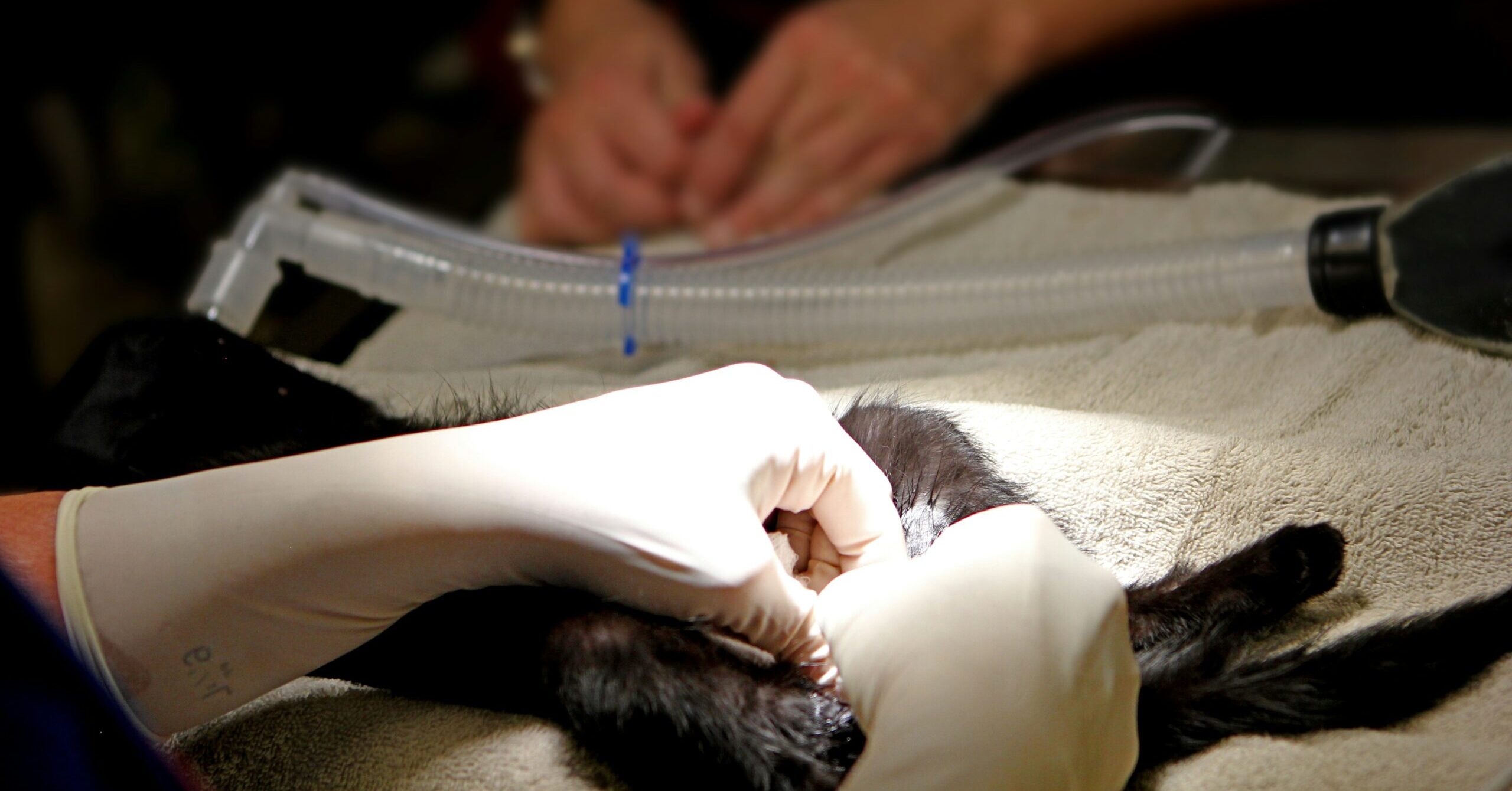
Veterinarians advise that kittens can be safely spayed or neutered as early as 8 weeks old, provided they weigh at least 2 pounds. If Your question is Kitten Spay or Neuter & When to Get Your Cat Fixed, Vet Advice. However, many recommend performing the procedure between 4 to 5 months of age to prevent early pregnancies and behavioral issues. This approach, endorsed by organizations like the American Veterinary Medical Association and the American Association of Feline Practitioners, helps avoid the onset of mating behaviors and reduces the risk of certain health problems. Early spaying or neutering not only aids in controlling the pet population but also contributes to a kitten’s long-term health and well-being.
How Old Do Kittens Have to Be to Get Fixed (Spay or Neuter)?
When it comes to the health and well-being of your kitten, knowing the right age to spay or neuter is crucial. Many new pet owners wonder, “How old do kittens need to be to get fixed?” Understanding the optimal age to neuter your cat or spay your female cat helps avoid unexpected behaviors, medical issues, and unwanted litters. In this article, we break down everything you need to know—including expert advice from vets—to make the best decision for your furry friend.
Outline of Topics Covered
- What Is the Best Time to Spay or Neuter a Kitten?
- Why Should You Spay or Neuter Your Cat?
- How Old Do Kittens Have to Be to Get Fixed?
- Can You Spay or Neuter a Cat Too Early?
- Is It Ever Too Late to Spay or Neuter a Cat?
- What Are the Health Benefits of Neutering Your Male Cat?
- What Are the Benefits of Spaying Your Female Cat?
- How Does Spaying or Neutering Affect Behavior?
- What Happens During a Spay or Neuter Procedure?
- Tips for Aftercare: What to Expect After Your Kitten Is Fixed

What Is the Best Time to Spay or Neuter a Kitten?
The recommended age for a spay or neuter procedure is typically six to eight weeks of age for shelters, but for individual pet owners, five to six months is the most common window. This optimal age is before a kitten hits sexual maturity and starts showing undesirable behaviors.
While each veterinarian may have slightly different opinions, many agree that a kitten fixed at an early age tends to recover faster and experience fewer complications.
Why Should You Spay or Neuter Your Cat?
Spaying or neutering your kitten can prevent a long list of problems. If your male cat is left intact, he may spray urine, fight with other male cats, or even roam away from home. For a female cat, skipping this procedure can lead to loud mating calls and multiple litters of kittens in a single year.
By choosing to spay or neuter your cat, you’re helping reduce the number of unwanted kittens and doing your part in supporting responsible pet ownership.

How Old Do Kittens Have to Be to Get Fixed?
So, exactly how old do kittens have to be? Vets often suggest waiting until they’re around five months of age, especially for owned pets. Shelters may proceed as early as eight weeks of age and at a minimum weight of two pounds.
When you discuss how old a kitten needs to be with your vet, they will consider the kitten’s health, size, and readiness for surgery. It’s important to neuter your cat before puberty to avoid the birth of unwanted kittens.
Can You Spay or Neuter a Cat Too Early?
The question of early spay and neuter comes up frequently. While some fear that neuter surgery at a young age may cause harm, evidence shows that healthy kittens living in shelters are routinely altered at six to eight weeks with no adverse effects.
Experienced vets are passionate about the benefits of early-age surgeries, especially since kittens can begin reproducing as early as four months old. Still, it’s best to follow your veterinarian’s guidance based on your kitten’s individual case.

Is It Ever Too Late to Spay or Neuter a Cat?
You may be wondering if it’s ever too late. The answer: not really. Although it’s best to spay or neuter your kitten at a young age, even healthy cats in their teens can safely undergo surgery.
If your cat reaches adulthood without being altered, it’s still worth scheduling a cat’s spay or neuter procedure to enjoy long-term health and behavioral benefits. It’s never truly late to have the procedure done.
What Are the Health Benefits of Neutering Your Male Cat?
Neutering your male cat provides protection from certain cancers such as testicular cancer and reduces the risk of cat developing prostate or testicular diseases. It also prevents your male cat from contributing to the cat from fathering countless kittens in your community.
Neutered male cats are usually calmer, stay closer to home, and are less likely to engage in fights with other male cats. This makes your household safer and more peaceful.

What Are the Benefits of Spaying Your Female Cat?
Spaying your female cat has equally important benefits. It stops the heat cycles that can lead to stress, aggression, or unwanted female cat behaviors. It also eliminates the risk of certain cancers, especially those related to the mammary glands.
A female cat spayed before her first heat cycle significantly reduces the risk of your cat developing mammary tumors, which are often malignant in cats and dogs.
How Does Spaying or Neutering Affect Behavior?
Altering a cat at an early age can positively impact cat behaviors. Male cats may become less aggressive and territorial. Female cats will not go into heat, avoiding loud meowing and erratic mood changes.
When your feline friend is fixed, they are less likely to spray around the house and will usually stop trying to escape during mating seasons. This helps keep both your pet and your home environment more balanced.

What Happens During a Spay or Neuter Procedure?
The spay or neuter procedure is quick and typically safe. A veterinarian removes the reproductive organs under anesthesia, ensuring your kitten feels no pain during the process. Standard spay and neuter procedures take less than an hour and your pet can usually go home the same day.
After the surgery, your pet may need to wear a cone to prevent licking the stitches, and cats may feel drowsy or slightly sore. Always follow your vet’s aftercare instructions closely.
Also Read This:
How Long Can You Leave a Cat Alone at Home?
Tips for Aftercare: What to Expect After Your Kitten Is Fixed
After your kitten is spayed or neutered, it’s important to monitor their recovery. Provide a quiet resting space, discourage jumping, and ensure they don’t touch the incision site. The healing period usually lasts around 7 to 10 days.
Keeping the surgical area clean and watching for signs of infection ensures your male pets or female pets heal properly. If you have questions or concerns, don’t hesitate to reach out to your vet for support.

Key Takeaways: Quick Summary
- The best age to spay or neuter a cat is between five to six months of age.
- Kittens can be fixed as early as eight weeks under proper veterinarian supervision.
- It’s never too late to spay or neuter your cat, even for older felines.
- Spaying helps prevent mammary tumors and heat-related behaviors in female cats.
- Neutering lowers the risk of testicular cancer and aggressive behavior in male cats.
- Altering your kitten before sexual maturity helps reduce the number of unwanted kittens.
- A spayed or neutered cat often lives a healthier, calmer, and longer life.
- Always schedule your cat’s spay or neuter procedure with a trusted vet.
- Recovery is quick and safe with proper care and post-surgery attention.
- Spaying or neutering is one of the best choices for your pet’s long-term health and well-being.