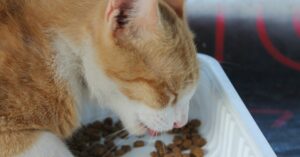
If Your question is why my cat so small?? due to its breed, genetics, or if it had poor nutrition during kittenhood. Health problems like parasites or hormonal imbalances can also stunt growth. Some cats naturally stay smaller, especially certain breeds. If you’re worried about your cat’s size, a visit to the vet can help rule out any issues and guide you on proper care. Regular check-ups and good nutrition support healthy growth.
Understanding Cat Growth Basics
Watching a kitten grow is exciting, but not all cats reach the same size. Some cats remain small simply because of natural differences like breed size, parental genetics, or slower growth stages. Typically, kittens grow rapidly in their first six months, reaching close to their adult weight by one year. However, factors like poor nutrition, health problems, or stress can affect growth. Small cat breeds such as the Singapura or Munchkin are naturally petite. Knowing what normal development looks like helps cat owners spot any early warning signs if something feels unusual about their pet’s size.

Breed and Genetics: The Primary Factors
Some are naturally small due to their family history or breeding. Breeds such as the Cornish Rex, Siamese, and American Curl tend to remain lean and light. If the two parent cats are tiny, their offspring are bound to copy the same trend. Genetics have a significant role to play, so even a healthy cat can remain petite with no medical justification. Awareness of your cat’s breeding characteristics and ancestry can account for a great deal of their size and growth.
Medical Reasons for Stunted Growth
Sometimes,a cat’s tiny size is a sign of underlying medical conditions. Nutritional deficiencies as a kitten can put development into slow motion, leaving a cat underweight. Parasites such as worms can steal the developmental nutrients from a kitten. Hormonal issues, including hypothyroidism, can result in slow development or incomplete development. Sometimes chronic disease or birth defect disables the body from developing normally. If a seemingly healthy-fed-and-nursed cat continues to be tiny, a veterinary inspection is necessary to eliminate these potential medical issues early.
Diagnosing the Problem: Vet’s Approach
If a cat remains smaller than normal, a veterinarian can identify the underlying cause. They might begin with a physical examination, checking weight, body condition, and general health. Blood work can reveal infections, hormonal issues, or organ diseases that can hinder growth. Occasionally, stool samples are required to identify parasites. Possibly, the vet will request information about the diet of the cat as well as its way of living. It is crucial to diagnose early because some of these issues are easy to treat when detected early, leading your pet to a healthier life.
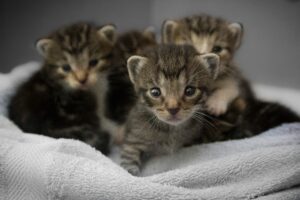
How Lifestyle Can Affect Cat Growth
A cat’s environment can significantly affect its size. Healthy growth relies on a balanced diet, regular feeding, and nutrition. Stress or poor socialization as a young age can disrupt development. Those kept in a peaceful, loving environment are more likely to grow steadily. Poor living conditions or substandard care can keep them from developing to full size. Making your cat feel comfortable and fed can contribute to a regular growth pattern.
Can a Small Cat Live a Healthy Life?
Yes, a number of little cats have long, healthy lives. It’s not the size that makes a cat healthy or long-lived. If your cat is naturally a tiny one, but is eating adequately, remaining active, and getting regular examinations from your veterinarian, don’t worry. Smaller cats often have fewer joint problems, as they weigh less. Keeping your tiny cat healthy through quality care will keep your pet flourishing.

Mistakes Cat Owners Make When Managing Small Cats
Some owners overfeed little cats, assuming that doing so makes them bigger. Instead, they may end up with obesity as well as other health issues. Others may overlook other health issues such as parasites or endocrine imbalances, assuming their cat is just naturally smaller. It’s all about balanced nutrition, not quantity. Regular veterinary visits will see that any growth issues are addressed early, keeping your cat healthy as well as content.
Also Read This:
Proactive Tips to Help Your Small Cat Thrive
To keep your little cat healthy, emphasis should be placed on a healthy diet of high-quality nutrition that provides all their nutritional requirements. Provide many smaller meals throughout the day to keep their energy levels stable. Exercise and playtime daily keep a healthy weight. Stress should be kept at a minimum with a peaceful, quiet environment. Regular checks with a vet are crucial to keep up with their growth as well as identify and solve issues quickly. Proper care means your little cat can have a long, healthy lifespan..