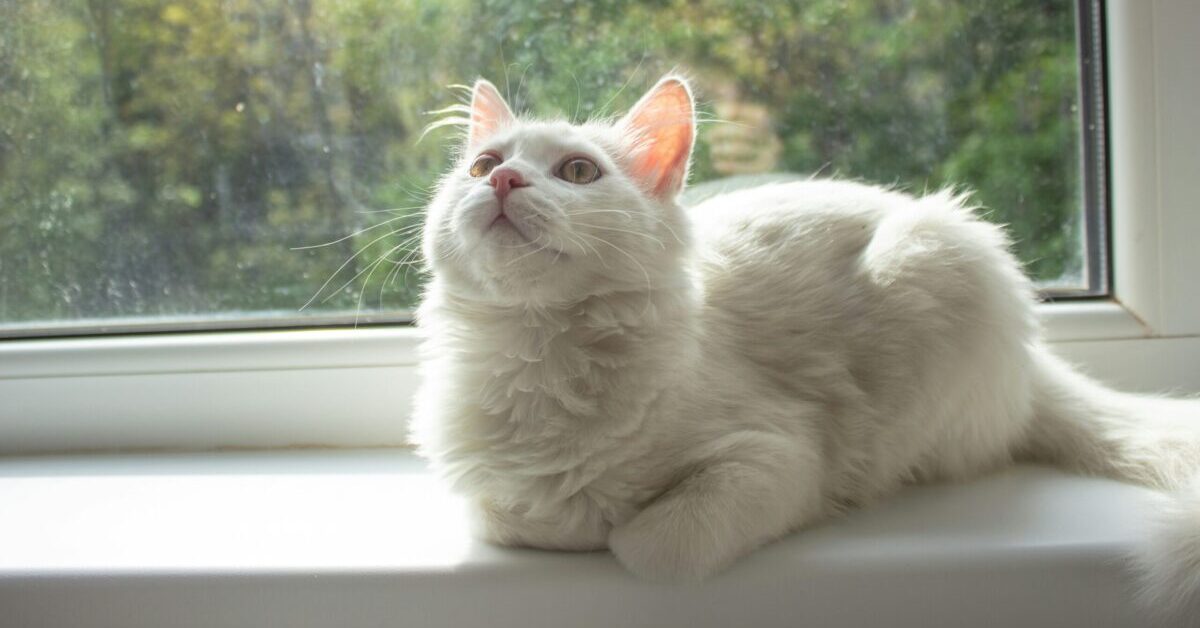
Cats are known to have soothed humans with their purring, but this has led many owners to ask, “Why Doesn’t My Cat Purr?” Some cats are just less vocal and show happiness in other ways — by rubbing against their owners, for example.
A cat that has purred in the past and then stops could be ill or in pain, or stressed. Looking at other behaviours, such as how active the cat is and whether or not it is eating can help pinpoint the problem.
Purring is not the only means by which cats show affection, however. Some cats prefer slow blinks, meows or even kneading, for instance. It is important for owners to know why their cat is not purring so that they can make sure their pet is healthy.

Why Does My Cat Not Purr?
So, if your cat is one of those that doesn’t purr, you might be wondering why that is. There are some cats that just never learn to do it at all.
This could be genetic, could be the cat’s personality or could be the environment that the cat was brought up in. Kittens learn to purr from their mothers for the most part. A kitten that has been orphaned or one to which purring has been introduced at a fairly late age may not learn to purr as it grows up.
Some breeds of cats are just not as prone to purring as others. However, while there are some cats, such as
- Siamese cats, that are quite vocalothers
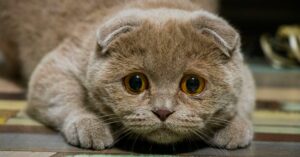
- Scottish Fold cats are rather quiet and may not purr very often.
Cats that don’t purr may have their own way of showing happiness. They may be stalking their owner, head butting, or even seeking attention without producing a purring sound.
Why Would a Cat Suddenly Stop Purring?
Stress might be the reason when a normally purring cat suddenly stops puring. Changes in the daily routine, the introduction of a new pet, or a new home might be the reason why the cat stopped puring.
Illness or pain can also prevent a cat from purring. Dental issues, respiratory infections, or injury can make them uncomfortable, and their normal purring activity reduces as a result.
Older cats might not purr as frequently as when they are young. Aging results in mood and physical changes that make the cat less active and less likely to purr.
If your cat stops purring and becomes lethargic, hides more, or eats less, it could be ill. Taking your cat to the vet is necessary to rule out the chance that it has health problems.
Do Some Cats Not Purr at All?
Yes, and some cats never purr at all, and that is perfectly normal. Just as some people are more talkative than other people, some cats are less vocal and more subdued in their nature.
A non-purring cat does not necessarily equal an unhappy cat. Its owners must look for other indications that the cat is happy, such as playful action, kneading, and friendly contact with the owners.
Some cats communicate through different means. In lieu of purring, they might chirp, meow, or rub against their owner as a symbol of love and attention-seeking.
You do not need to worry if your cat seems happy, active, and interested but does not purr. All cats are different when it comes to expressing feelings.
What Can I Do If My cat doesn’t purr?
In case the cat doesn’t purr, owners can try gentle head and chin area petting. Leaving the cat in a calm environment might relax the cat enough to make it purr.
Playing with and also spending quality time with the cat can cement the relationship. Some cats relax and start to purr with repeated affection.
Stress must be relieved. Too much noise, new animals, or sudden environmental changes might make a cat nervous, causing it to be unable to perform normal behaviors, including purring.
A visit to the vet is advisable if a cat stops purring suddenly. Some cats are normally silent, but a sudden change in their demeanor might be the sign of an underlying medical issue.
Also Read This:
Why Does My Cat’s Breath Smell Like Fish?
Conclusion
Knowing “why a cat does not purr” enables the owner to better take care of their pet. Some cats do not naturally purr, and some lose the ability due to stress, sickness, or age.
If your cat isn’t purring but remains playful and friendly, don’t worry about it. The best indication that a cat is happy is to observe other behaviors.
For those who are missing the purr, creating a stress-free, affectionate environment may be the answer. Relaxing and physical contact sometimes elicits the purring response.
Each cat has a unique personality, and not all might purr. Instead of focusing on the purring, the owners must observe other signs the cat exhibits when showing love, comfort, and trust.