In your mind Why Is My Cat Breathing Fast Have you noticed? It can be intimidating to see your furry friend panting or floundering to catch their breath. Fast breathing also known as Shallow Breathing, can be a sign of colorful beginning health issues ranging from mild stress to severe medical conditions. Understanding what causes rapid-fire breathing in cats can help you take the right way to insure their well- being.
In this article we will cover:
✔ What normal breathing looks like in cats
✔ Common causes of rapid breathing
✔ When you should be concerned
✔ How to help your cat at home
✔ Preventive measures to keep your cat healthy
Let’s dive into the details.
Why Is My Cat Breathing Fast?? Normal vs. Abnormal Breathing
A cat’s breathing should be smooth and slightly conspicuous. The average resting respiratory rate for a healthy cat is between 20 and 30 breaths per minute.However, this could indicate a problem,If your cat is breathing at a faster rate while sleeping or resting.
How to Measure Your Cat’s Breathing Rate
If you suspect your cat is breathing too fast.Ensure your cat is at rest. The test should be done when they are calm and not after playtime.
insure your cat is at rest: The test should be done when they’re calm and not after playtime.
Watch their casket movements: Each rise and fall of the casket counts as one breath.
Multiply the number by two: This gives you the number of breaths per minute.
✔ lower than 30 breaths per nanosecond Normal
✔ 30- 40 breaths per nanosecond Examiner nearly
✔ further than 40 breaths per nanosecond Consult a warhorse incontinently
Common Causes of Fast Breathing in Cats
There are several reasons why your cat may be breathing faster than normal. Some causes are minor, while others need immediate medical attention.
- Stress or Anxiety
Ctas are sensitive creatures. However, their breathing may temporarily increase, If they are feeling stressed or anxious. Some common stress include
Loud noises( fireworks, showers, vacuum cleansers)
Traveling( auto lifts, stager visits)
New Environment ( moving to a new home)
What to do; If your cat is breathing quickly due to stress, give them a quiet and comfortable place to relax. Remove the stressor if possible and observe if their breathing returns to normal.
2. Heatstroke or Overheating
Cats regulate their body temperature differently than humans.However, they may start panting and breathing snappily to cool down, If they are exposed to heat. Unlike tykes , pussies do n’t pant constantly, so this is a sign that they may be overheating.
Signs of heatstroke in pussycats
✔ breathe heavily with an open mouth
✔ Excessive drooling
✔ laziness or unresponsiveness
✔ Red or pale bonds
What to do: Move your cat to a cool, shadowed area and give it fresh water. Avoid using ice-cold water, as this can shock their system.However, seek veterinary care, If symptoms continue.
3. Respiratory Infections
Upper respiratory infections( URIs) can beget inflammation in a cat’s airways, making it harder for them to breathe. These infections are constantly caused by contagions or bacteria and can spread fluently among pussycats.
Symptoms of a respiratory infection:
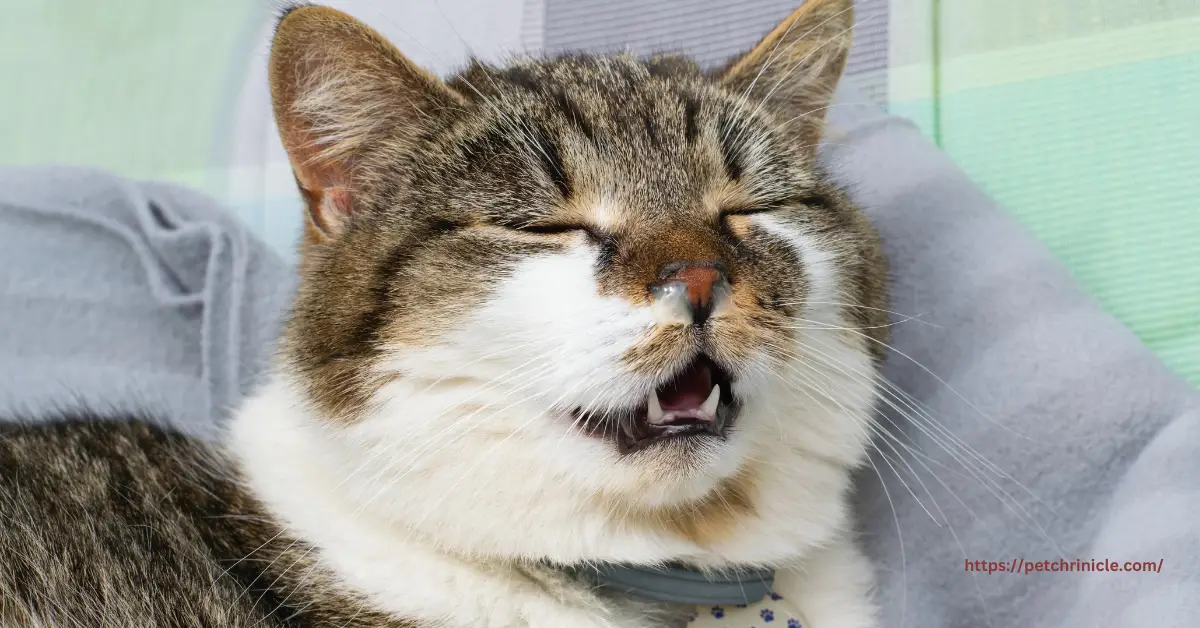
✔ Sneezing and coughing
✔ Nasal discharge (clear or varicolored)
✔ heaving and difficulty breathing
✔ Fever and loss of appetite
What to do:A mild infection may clear up on its own, but severe cases bear antibiotics or antiviral drug from a clinic.
4. Asthma
Asthma is a common condition in Cats that causes Hotness in the aviation routes, driving to trouble breathing. pussycats with asthma may witness
✔ hurling or coughing
✔ Labored breathing
✔ Quick or shallow breathing
✔ Open- mouth breathing
What to do: If your cat has asthma, a specialist may define inhalers or corticosteroids to offer assistance oversee side effects. Reducing natural triggers like clean, bank, and solid fragrances can too offer assistance.
5. Heart Disease
Heart Complaint in pussycats happens when their heart does n’t work properly, making it harder to pump blood. It can be caused by genetics, maturing, high blood pressure or thyroid issues. Signs incorporate quick breathing, frazzle, coughing and weight loss.
Other indications of heart complaint in pussycats
✔ Shortcoming and shiftlessness
✔ blown tummy
✔ Pale or blue epoxies
✔ Loss of appetite
What to do :In case your pet heart complaints, visit a warhorse as before long as possible. In advance supposition can offer assistance oversee the condition and make way better your cat’s quality of life
6. Pain or Injury
still, they may breathe fastly, If your cat has been injured or is in pain. pussycat are masters at hiding pain, so fast breathing could be one of the many visible signs.
Signs your cat may be in pain:
✔ Avoiding movement
✔ Sensitivity to touch
✔ Hiding further than usual
✔ Loss of weight
What to do:If you suspect an injury, gently examine your cat for signs of pain.However, take them to a warhorse If they show these signs.
Why Are My Cat’s Ears So Hot?
Sometimes cat owners also notice that their cat’s ears feel warmer than usual. This can be fully normal or a sign of a beginning issue.
Common Reasons for Hot Ears:
✔ Normal body regulation: pussycats’easr help regulate body temperature, so they may feel warm at times.
✔ Fever: If your cat’s ears are hot along with other symptoms like laziness and loss of appetite, they might have a fever.
✔ Overheating: If your cat is panting and has a warm ear, they could be too hot.
✔ Antipathetic response Some pussycats develop hot ears after an antipathetic response to food or environmental factors.
If you’re doubtful, check your cat’s overall behavior and consider a doctor visit if symptoms persist.
When to Seek Veterinary Care
Not all cases of fast breathing bear exigency care, but if you notice any of the following, seek immediate veterinary attention
✔ Breathing rate over 40 breaths per nanosecond
✔ Open- mouth breathing or panting
✔ Blue or pale epoxies( signs of oxygen privation)
✔ gasping or patient coughing
✔ languor, weakness, or collapse
How to Help Your Cat at Home
If your cat’s breathing is slightly elevated but they appear else healthy. ✔ Keep them cool and doused
✔ insure a stress-free terrain
✔ Check their breathing rate regularly
✔ Check for other symptoms like coughing or loss of appetite
still, communicate your veterinarian, If symptoms persist for further than 24 hours.
Preventing Breathing Issues in Cats
✔ Schedule regular warhorse check- ups to catch health problems beforehand.
✔ Keep their terrain clean and dust-free to avoid driving disinclinations or asthma.
✔ insure they’ve fresh air and proper ventilation at home.
✔ Avoid exposure to smoke, scents, or strong cleaning chemicals.
By staying aware of your cat’s health and breathing patterns, you can detect problems early and keep your feline friend happy and healthy.
Also Reed This:
Why Is My Cat Sneezing So Much?
Final Thoughts
Fast breathing in Cats can be caused by stress, overheating, infections or serious health conditions like asthma and heart complaints. While occasional rapid-fire- fire breathing may not be a cause for concern, patient or severe symptoms should never be ignored.
still, stay calm, assess their condition, If you ever notice your cat breathing too fast.A little alert goes a long way in keeping your lovely pet safe and healthy