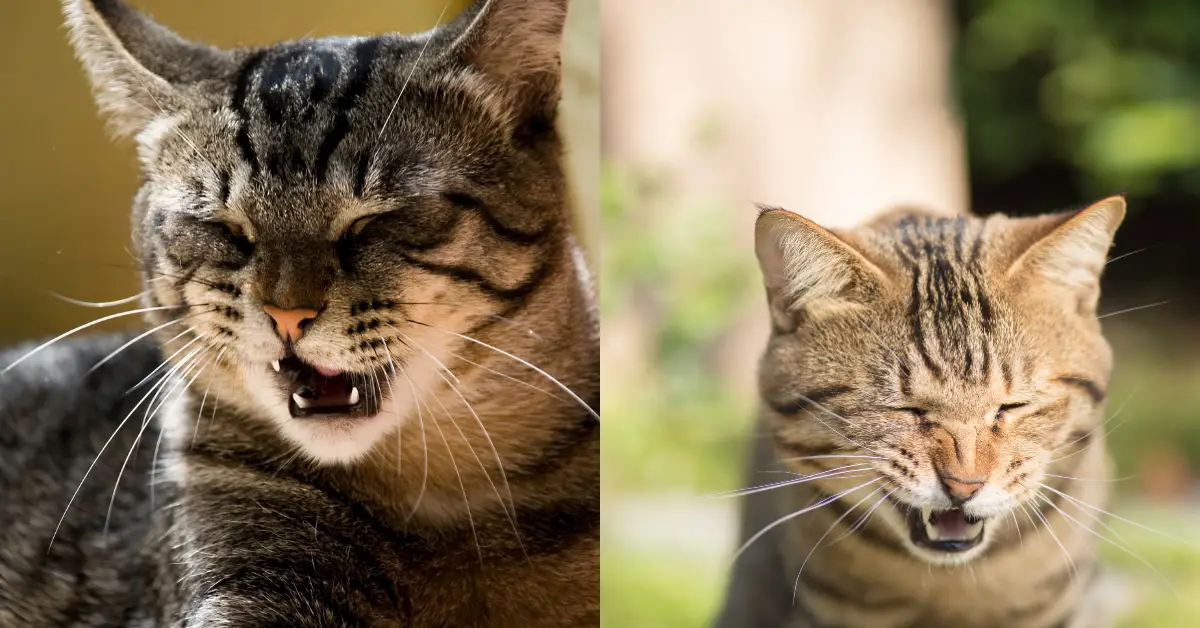
If you’ve found yourself asking,, “ Why is my cat sneezing so much? ”, you’re not alone, If you’ve set yourself up to ask. Occasional sneezes in cats are normal. Important like in humans but frequent sneezing could indicate a beginning health issue.
From inoffensive annoyances to infections taking veterinary attention, understanding why your cat is sneezing exorbitantly is crucial to keeping them healthy and happy.
In this problem, we’ll explore common causes of frequent sneezing in cats, how to tell if it’s serious and what steps you should take.
Is It Normal for Cats to Sneeze?
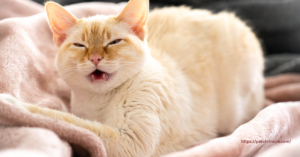
Yes, occasional sneezing in pussycats is Fully normal. Cats might sneeze to clear out dust, fur or other annoyances from their nose.
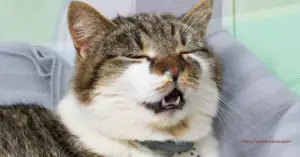
Just like humans, they’ve a sensitive nasal passage, so a pierce or minor vexation can spark a sneeze. Still, if your cat is sneezing several times a day, for multiple successive days, or showing other signs of illness, it’s time to probe further.
What are the Common Causes of Cat Sneezing?
1. Environmental Irritants:
Cats have largely sensitive tips, and everyday environmental factors can spark sneezing fits.
- These include
- Dust and pollen
- Perfumed candles or air fresheners
- Household drawing products
- Cigarette smoke
- Perfume
If you may have set up the malefactor, If the sneezing started after introducing a new product into your home.
2. Upper Respiratory Infections (URI)
One of the most common reasons cats sneeze constantly is due to upper respiratory infections — basically the nimble fellow of a mortal cold wave. These infections are frequently viral, but they can also be bacterial.
Signs your cat may have an upper respiratory infection:
- Persistent sneezing
- Runny nose and watery eyes
- Loss of appetite
- Lethargy
For a deeper dive into upper respiratory infections and sneezing triggers.
3. Allergies
Although less common than in humans, cats can suffer from disinclinations, too. Allergens like pollen, earth, and dust can irritate their nasal passages, resulting in sneezing. Some cats may indeed be allergic to certain foods or materials in their environment.
4. Dental Disease
This might surprise many cat owners, but dental problems can actually cause sneezing. Infections in the upper teeth can spread into the nasal passages, driving sneezing fits.However, swollen epoxies or is reticent to eat, If your cat has bad breath.
5. Foreign Objects
Curious cats sometimes get tiny objects like grass blades, bits of toys, or food particles stuck in their nasal cavity. This can trigger repeated sneezing until the object is either expelled or removed by a vet.
6. Feline Herpesvirus
Feline herpesvirus( FHV- 1) is a common virus that affects cats, especially those adopted from shelters or multi cat environments.
Sneezing is one of the hallmark symptoms, frequently accompanied by eye discharge and congestion.
How to Know If Cat Sneezing Is Serious?
Not every sneeze warrants a trip to the vet, but it’s important to watch for additional symptoms. If your cat’s sneezing is accompanied by any of the following, it’s time to seek veterinary advice:
- Discharge from nose or eyes (clear, yellow, or green)
- Coughing or wheezing
- Loss of appetite
- Lethargy or hiding behavior
- Difficulty breathing
These could indicate anything from infections to more serious respiratory conditions.
When to Visit the Vet?
If your cat sneezes occasionally but seems healthy otherwise, you can likely monitor them at home. However, if the sneezing is frequent, worsening, or accompanied by other symptoms, make an appointment with your veterinarian.
Here’s a general guideline on when to see a vet:
| Symptom | Action |
| Occasional sneeze, no other symptoms | Monitor at home |
| Frequent sneezing for more than 48 hours | Consult a vet |
| Sneezing with nasal discharge, coughing, or appetite loss | Visit a vet promptly |
| Bloody discharge | Emergency vet visit |
Diagnosing the Cause of Sneezing?
Your vet will likely ask about your cat’s history, environment, and other symptoms. In some cases, diagnostic tests may be recommended:
- Nasal swabs to detect infections
- Blood work to rule out underlying diseases
- X-rays if a foreign object or dental issue is suspected
Treatment Options for Sneezing Cats
1. Environmental Adjustments
If environmental irritants are suspected, switch to unscented litter, avoid aerosol sprays, and regularly clean your home to reduce dust.
2. Medications
For infections, your vet may prescribe:
- Antibiotics (for bacterial infections)
- Antivirals (for conditions like feline herpesvirus)
- Nasal drops to ease congestion
3. Allergy Management
If allergies are to blame, antihistamines or corticosteroids may be recommended. But only under veterinary supervision.
4. Dental Care
For dental related sneezing, your vet may suggest professional dental cleaning, extractions, or antibiotics if infection is present.
Also you read this:
How Do I Know If My Cat Is in Heat?
Preventing Sneezing in Cats
While not all causes of sneezing can be avoided, these tips can help keep your cat healthy:
✅ Keep vaccinations up to date
✅ Maintain regular dental care
✅ Minimize exposure to smoke, perfumes, and harsh cleaners
✅ Provide a clean, low-stress environment
✅ Monitor for symptoms during allergy seasons
Final Thoughts: Understanding Your Cat’s Sneezes
A sneezing cat might be adorable but when sneezing becomes excessive it’s time to pay attention to your pet. By understanding the common causes, knowing what symptoms to watch for and acting quickly when needed. You can help ensure your feline friend stays happy and healthy.
If you’re ever in doubt, a quick call to your vet is always the safest bet..