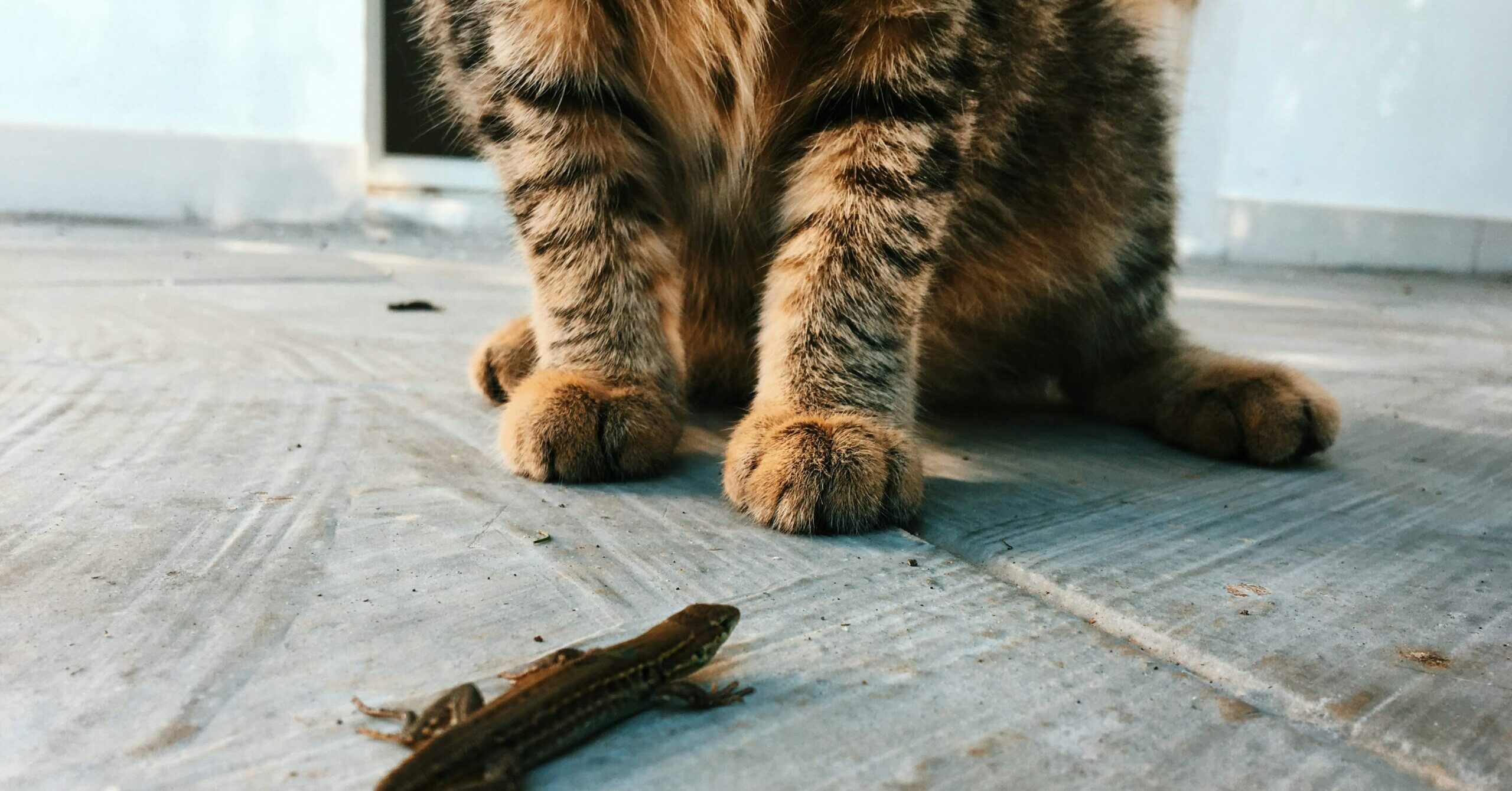
Worm infestations are a common health issue in cats, If you noticed Worms In Your Cat, It maybe affecting both inner and out- of- door kitties.Realize the symptoms beforehand can help serious health complications. Worms not only beget discomfort and digestive issues but can also weaken a cat’s vulnerable system.
Today we will cover these topics,
- Types of worms in cats
- How house cats get worms
- Symptoms of worm infestations
- How to diagnose and treat worms
- Prevention strategies to keep your cat healthy
If your cat is vomiting, losing weight or showing unusual behavior, read on to learn how to handle a worm infestation effectively.
Common Types of Worms in Cats
Different types of worms affect cats in many ways. Some beget mild discomfort, while others can lead to severe health problems if undressed.
1. Roundworms
Roundworms are the most common spongers in n pussies. They are long, spaghetti- suchlike worms that can grow up to 4 elevation in length. Cats Kids constantly contract roundworms from their mother’s milk and adult pussycats get them from infected rodents, soil or defiled feces.
2. Tapeworms
Tapeworms are flat, segmented spongers that attach to the cat’s outside. Catts generally get tapeworms by ingesting infected fleas.However, rice- suchlike corridor around your cat’s anus or in their feces, they may have tapeworms, If you notice white.
3. Hookworms
Hookworms are small, blood- stinking parasite that attach to the intestinal walls. Unlike roundworms or tapeworms, hookworms are more dangerous because they beget anemia, especially in gibs. pussies get hookworms from weakened soil or feces.
4. Whipworms
Whipworms are less common but can cause severe irritation in the large intestine. Symptoms include bloody diarrhea and weight loss.
5. Stomach Worms
These worms live in the stomach and cause chronic vomiting. Though rare in domestic pussycats, they’re set up more frequently in feral pussycats.
How Do House Cats Get Worms?
Even inner pussycats are not fully safe from worms. That’s how they can come infected
- Fleas – Fleas carry tapeworm naiads , and when pussycats prepare themselves and swallow fleas, they can get tapeworms.
- defiled waste boxes – Roundworms and hookworm eggs can survive in waste, infecting pussycats when they clean their paws.
- Rodents and raw meat – Cats that hunt or eat undercooked meat are more likely to get roundworms or tapeworms.
- Mother’s milk – Kittens can contract roundworms directly from their mom, making deworming essential.
Symptoms of Worm Infestation
A worm infestation can go unnoticed in the early stages. However, as the parasites multiply, you may observe these warning signs:
- Visible Worms – Worms or rice- suchlike tapeworm parts in the cat’s coprolite, heave, or near the anus.
- Diarrhea and Vomiting – Frequent vomiting or diarrhea, occasionally with visible worms outside.
- Weight Loss – Indeed with a normal or increased appetite, the cat may lose weight fleetly.
- Bloated tummy – A blown belly, especially in gibs, can indicate a heavy roundworm infection.
- Lethargy – pussycats with worms may come less sportful and energetic.
- Poor Coat Condition – A dull, rough fleece can be a sign of poor nutrient immersion caused by worms.
- Scooting or Excessive Licking – If your cat drags its bottom on the floor, it may be due to tapeworm vexation.
How to Diagnose Worms in Cats?
Still, visit a doctor for proper opinion, If you suspect your cat has worms.
- Fecal Examination – A warhorse will check a coprolite sample under a microscope for worm eggs or larvae.
- Physical Examination – The warhorse may check for bloating, poor fleece condition and vexation around the anus.
- Blood Tests – In some cases, blood work can determine if your cat is anemic due to hookworms.
Treatment for Worms in Cats?
Still, do n’t worry! Worm infestations are treatable with the right approach, If your cat has worms

1. Deworming Medications
- Doctors prescribe oral or topical medications to kill worms. Some treatments work within 24 hours.
- For kittens, deworming should start at 2- 3 weeks old and be repeated every many weeks.
- Adult pussycats should be dewormed at least every 3- 6 months, especially if they go outside.
2. Flea Treatment
Since fleas carry tapeworms, treating your cat for fleas is a must-have. Use warhorse- approved flea control products to help reinfection.
3. Probiotics and Supplements
After deworming, giving your cat probiotics and a high- protein diet can help restore good health.
Preventing Worm Infestations
- Prevention is the good way to keep your cat healthy and worm-free.
- Regular Deworming – Follow your doctor recommended deworming schedule.
- Flea Control – Use monthly flea prevention to avoid tapeworm infestations.
- Clean waste Boxes Daily – Remove feces quickly to help reinfection.
- Keep Your Cat indoors – out-of-door pussycats are at a advanced threat of eating infected rodents or stepping on polluted soil.
- Good Hygiene – Wash your hands after handling your cat’s waste box to cover both yourself and your pet.

Can Humans Get Worms from Cats?
Yes! Some types of worms can spread from cats to humans, including:
- Roundworms – Humans can accidentally ingest eggs from polluted soil or waste boxes.
- Hookworms – These can access the skin, causing itchy rashes( cutaneous larva ).
- Tapeworms – Rare in humans, but possible if an infected flea is swallowed.
To stay safe:
- Wash your hands after handling waste boxes.
- Deworm your cat regularly to help transmission.
- Help flea infestations to reduce the threat of tapew3
Also Read This:
Why does my cat sleep by my head?
Final Thoughts
A worm infestation is a serious issue, but with early discovery and proper care, your cat can recover fastly. Regular doctors clinic visits, deworming treatments and proper hygiene are crucial to keeping your pet healthy.
🐾 If you notice signs of worms, consult a vet incontinently!
🐾 Prevention is easier than treatment, so follow stylish practices to keep your cat parasite-free.
By taking these simple ways, you’ll ensure your cat lives a happy, healthy, and worm-free life!